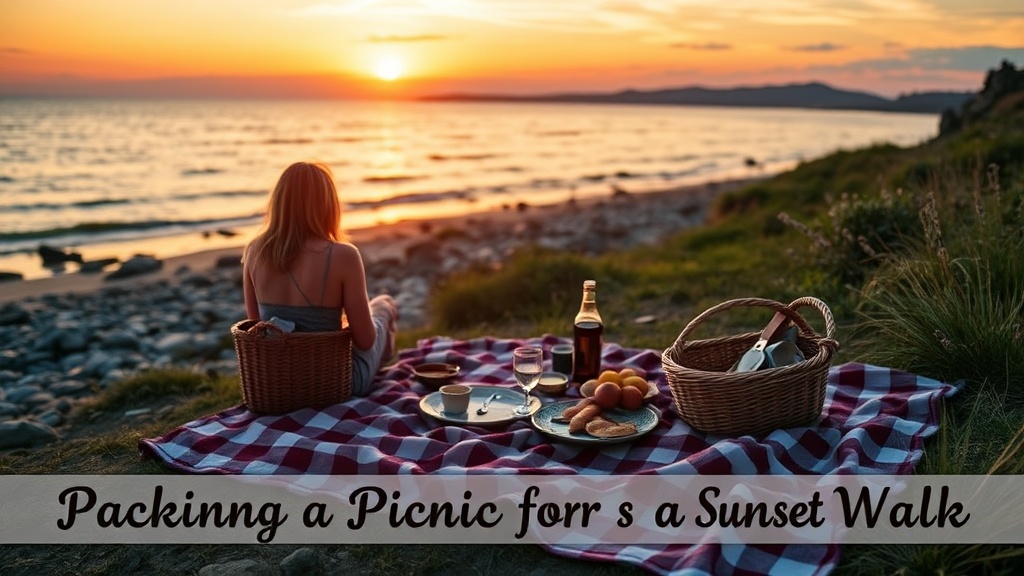
Packing a Picnic for a Sunset Walk on the Shore

The average temperature drop during a sunset on the Atlantic coast can exceed 10 degrees Celsius in less than an hour. This rapid cooling is what catches most visitors off guard when they're wandering near the shoreline of Saint Andrews. This guide explains exactly how to pack a lightweight, functional picnic basket that accounts for the unpredictable Bay of Fundy weather, ensuring your evening isn't cut short by a chill or a soggy sandwich.
What Should You Pack for a Coastal Sunset Picnic?
You need a combination of temperature-stable food, wind-resistant layers, and weather-appropriate seating to enjoy a sunset on the shore. A standard picnic often fails here because the wind off the water isn't just a breeze—it's a constant force. If you don't prepare for the salt air and the cooling temperature, you'll spend more time shivering than eating.
Start with the food. I recommend items that don't require heavy cutlery or intense heat. Think handheld, easy-to-eat snacks that won't get soggy if the humidity spikes. A charcuterie board with hard cheeses, cured meats, and crusty bread is much more practical than a heavy pasta salad that might wilt in the humidity. If you're picking up supplies locally, check out the fresh catch and local flavors at the Sunday Market to grab some high-quality local sourdough or artisanal cheeses.
For the gear, don't rely on a flimsy cotton towel. The sand near the water can be damp, and the wind will catch a thin cloth easily. Instead, look for a heavy-duty, water-resistant outdoor blanket. A Yeti Rambler bottle is a solid choice for keeping your drinks cold, but if you're bringing hot tea to combat the evening chill, a high-quality insulated thermos is a must.
Here is a quick checklist of the essentials:
- The Base: A water-resistant, weighted outdoor blanket.
- The Vessel: An insulated bag or a sturdy wicker basket with a modern liner.
- The Drink: A vacuum-insulated bottle (like a Hydro Flask or Yeti) to maintain temperature.
- The Lighting: A small, battery-operated lantern or a headlamp (the sun sets fast in the Maritimes).
- The Cleanup: Biodegradable wet wipes and a small trash bag.
How Do You Keep Food Safe in the Atlantic Air?
Keep your perishables in a high-quality insulated cooler bag with ice packs to prevent spoilage from the humidity and salt air. Food safety is a real concern when you're sitting outside for an extended period. Even if it feels breezy, the moisture in the air can affect how quickly things spoil if they aren't properly protected.
If you are bringing seafood—perhaps after picking the perfect shellfish at the local fish monger—you must be extremely careful. Shellfish and raw proteins are highly sensitive to temperature fluctuations. I always suggest keeping these in a dedicated, hard-sided cooler rather than a soft-sided bag. It provides a much better barrier against the wind and provides a stable surface for your food to sit on.
The temperature of the Bay of Fundy can be deceptive. It might feel warm during the day, but as soon as the sun dips, the dew point shifts. This can make your food feel damp. To avoid a mushy sandwich, pack your condiments (like mustard or mayo) in small, airtight containers rather than spreading them directly onto the bread. This keeps the texture consistent throughout your meal.
| Item Type | Best Option | Why? |
|---|---|---|
| Beverage Container | Insulated Stainless Steel | Holds temperature longer than plastic. |
| Snack Storage | Airtight Glass or Plastic | Protects against salt spray and wind. |
| Seating | Weighted Canvas Blanket | Prevents the wind from blowing your setup away. |
| Light Source | LED Lantern | More stable and safer than a candle. |
What Gear Works Best for Windy Shoreline Walks?
Choose lightweight, windproof materials and weighted items to ensure your picnic setup stays put. The biggest enemy of a peaceful evening in Saint Andrews isn't the dark—it's a gust of wind that sends your napkins flying toward the ocean. I've seen many a perfectly good picnic ruined because someone forgot to bring weights.
If you're walking a distance from your car to the shore, weight matters. You don't want to be lugging a heavy wooden crate through the sand. A lightweight, backpack-style cooler is your best friend here. It keeps your hands free for balancing on uneven-ish terrain or holding onto a railing. The Patagonia Black Hole Tote or a similar heavy-duty backpack bag works wonders for durability.
Regarding clothing, don't just bring a light sweater. The wind on the coast is relentless. A technical shell or a lightweight down jacket (like the Patagonia Nano Puff) is much more effective than a heavy wool sweater that might get damp from the sea spray. You want something that blocks the wind, not something that just absorbs the moisture. If your clothes get damp, they'll stay cold for the rest of the night.
One thing to keep in mind: always check the Environment Canada forecast before you head out. If they are predicting high wind gusts, you might want to skip the lightweight paper plates and stick to something more substantial, or perhaps just enjoy a quick snack rather than a full meal. It's better to be prepared for the worst than disappointed by the reality of a foggy evening.
When it comes to lighting, don't rely on your phone's flashlight. It's a poor light source for a group and drains your battery when you need it most for navigation. A small, rechargeable LED lantern provides a soft, ambient glow that's much more pleasant for a social setting. It also makes it much easier to see what you're eating once the sun has fully descended below the horizon.
The beauty of the Saint Andrews coastline is the sheer variety of textures—from the rocky outcroppings to the sandy stretches. If you're planning on a walk that involves more rugged terrain, ensure your footwear is sturdy. Flip-flops are a terrible choice for a sunset stroll where you might need to navigate slippery rocks or uneven sand. A pair of comfortable walking shoes or even light hiking boots will make the experience far more enjoyable.
Don't forget the "extra" items that make a difference. A small bottle of bug spray is helpful, though the sea breeze often keeps the bugs at bay. A compact, high-quality pair of binoculars can also be a great addition if you want to watch the birds or the distant ships moving through the channel. It adds a layer of engagement to the experience that goes beyond just eating and looking at the view.
Lastly, always pack out what you pack in. The coastline is a delicate ecosystem. We are lucky to have this access, but it requires us to be responsible. Ensure your trash bag is securely tied and that nothing—not even a tiny piece of plastic—is left behind on the sand. The tide comes in fast here, and anything left out can easily end up in the ocean.
Steps
- 1
Choose Non-Perishable Local Delights
- 2
Pack Smart Containers
- 3
Bring Essential Comfort Items