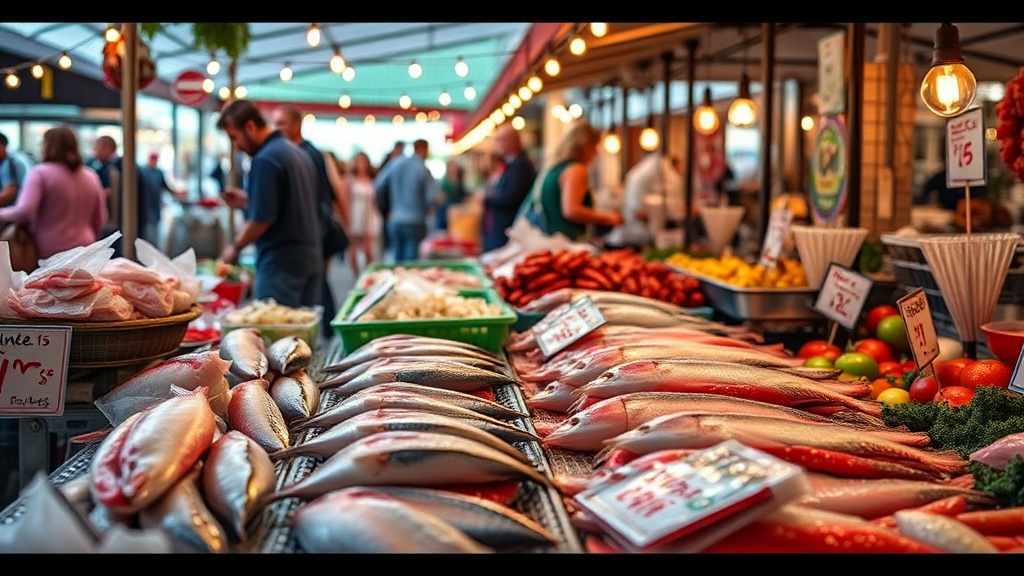
Fresh Catch and Local Flavors at the Sunday Market

Many people assume that buying high-quality seafood in a coastal town means you have to visit a formal fishmonger or a high-end grocery store. That’s a mistake. The real way to get the best Atlantic haul is by hitting the local Sunday markets early, where the connection between the harvester and the consumer is direct and transparent. This post breaks down what you can actually expect to find at the Sunday market in Saint Andrews, how to identify the freshest catch, and why the seasonal shifts in our local waters dictate your shopping list.
The Saint Andrews Sunday market isn't just a place to grab a snack; it's a logistical hub for local food. If you show up at 11:00 AM, you've already missed the best stuff. The real action happens between 8:30 AM and 10:00 AM. By that time, the most popular vendors—the ones with the real-deal lobster and the freshest scallops—are often already running low on stock. It's a fast-paced environment, and if you're not ready to move, you'll be left with the leftovers.
What Is the Best Way to Identify Fresh Seafood?
The best way to identify fresh seafood is by checking the clarity of the eyes, the scent, and the texture of the flesh. If a fish smells "fishy," it’s likely too old. Fresh Atlantic seafood should smell like the ocean—clean, salty, and briny. If you're looking at shellfish like clams or mussels, the shells should be tightly closed or, if they were slightly open, they should snap shut immediately when you touch them. A dead shell is a red flag you can't ignore.
I've spent enough time around the water to know that "fresh" is a relative term, but there are hard rules. When you're standing at a vendor's stall, don't be afraid to ask questions. A good vendor won't mind if you ask how long the catch has been out of the water. In fact, they'll usually be proud to tell you. They might even tell you exactly which bay the lobster came from (which is a huge plus for traceability).
Here is a quick checklist for your next market run:
- Lobster: The shells should be hard and the color vibrant. If they feel soft or "mushy," stay away.
- Scallops: They should be plump and moist. Avoid any that look dry or shriveled.
- Whitefish: The flesh should be firm and spring back when touched.
- Oysters: The liquid inside the shell (the "liquor") should be clear, not cloudy.
It's also worth noting that the fisheries of Canada are strictly regulated to ensure sustainability, but the quality you see at the market is a direct result of those local harvesting standards. You aren't just buying food; you're buying a piece of the local ecosystem.
One thing I've noticed—and this is a tip for the seasoned shopper—is that the best prices often appear toward the end of the morning, but the risk of lower quality increases. It's a gamble. If you want the premium stuff, get there early. If you're on a budget, wait until 11:30 AM. Just don't expect the same level of selection.
How Much Does Local Seafood Cost at the Market?
Prices for local seafood at the Sunday market fluctuate weekly based on seasonal availability and the current harvest yields. Generally, you can expect to pay a premium for the convenience of local sourcing, but it is often more cost-effective than high-end restaurants. Prices are typically calculated by weight (per pound or per kilogram) or by the dozen for shellfish.
To give you a clearer picture, I've put together a rough estimate of what you might see during a standard peak season. Keep in mind these are approximations—market prices change constantly.
| Product | Typical Unit | Estimated Price Range (CAD) |
|---|---|---|
| Atlantic Lobster | Per Pound | $12.00 - $18.00 |
| Sea Scallops | Per Pound | $25.00 - $35.00 |
| Blue Mussels | Per Kilogram | $8.00 - $12.00 |
| Fresh Cod | Per Pound | $10.00 - $15.00 |
The price of lobster, for instance, can swing wildly depending on the time of year. During the peak summer months, you might see slightly better prices due to higher volume, but the demand from tourists can drive that number up. It's a delicate balance. If you see a great deal on a specific type of shellfish, grab it. It's a sign that the vendor is moving stock quickly to keep it fresh.
If you're planning a big dinner, I'd suggest checking the Department of Fisheries and Oceans Canada website for any recent updates on harvest limits or seasonal changes. This can give you a heads-up if a certain species is going to be harder to find or more expensive due to conservation efforts.
Where Can You Find the Best Local Produce?
The best local produce is found in the center of the market stalls, where the most established vendors congregate. While the seafood gets most of the attention, the vegetable and fruit vendors are just as vital to the local food ecosystem. Look for the vendors who are selling items that are actually in season for New Brunswick. If you see strawberries in the middle of a frost-heavy November, they aren't local.
The connection between the sea and the land is visible here. You'll often see people pairing their fresh catch with local potatoes or seasonal greens. It’s a way of life in Saint Andrews. For example, if you buy a fresh salmon, you should be looking for local herbs or even some artisanal bread from the bakery stalls. It's a holistic approach to a meal.
I've often found that the most interesting finds aren't the big brands, but the small-batch producers. You might find a vendor selling small-batch pickles or a local honey that's much better than anything you'd find in a grocery store aisle. It's these small details that make the Sunday market a staple for locals. If you're already out exploring the area, you might also enjoy exploring the hidden gardens of Saint Andrews to see the botanical side of our town.
One thing to keep in mind is that the weather can change the market's vibe entirely. A rainy Sunday might mean fewer vendors, but it also means less competition for the best goods. On the flip side, a bright, sunny morning will draw crowds from all over the county. If you want a quiet experience, a cloudy morning is actually your friend.
It's also worth mentioning the logistics of your shopping trip. If you're buying heavy items like crates of shellfish or large quantities of produce, make sure you have a sturdy bag or a small cart. Carrying a heavy bag of wet mussels through the streets can be a nightmare if you aren't prepared. And don't forget to check the parking situation early—I've written about finding the best tide-dependent parking before, and it's a real issue if you don't plan ahead.
The market is more than a place to shop; it's a community event. You'll see neighbors catching up and chefs scouting for their next weekend special. It's a rhythm that defines our town's relationship with the Atlantic. Whether you're a lifelong resident or just passing through, the quality of the food here is something you won't find anywhere else.