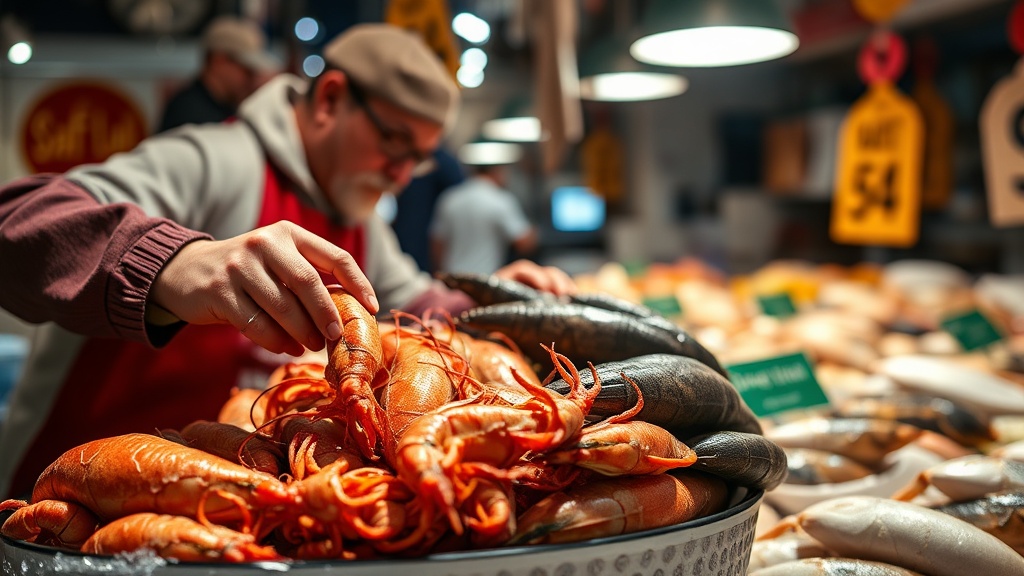
Picking the Perfect Shellfish at the Local Fish Monger

You’re standing at the counter of your local fish monger in Saint Andrews, staring at a pile of greyish-blue mussels and a tray of tightly shut clams, wondering if you're about to buy a bag of expensive seawater and disappointment. Choosing the wrong shellfish doesn't just ruin a dinner party; it can actually make you sick. This guide breaks down exactly how to spot the freshest Atlantic seafood, how to check for life in every shell, and how to know when to walk away from the counter.
Living in Charlotte County, we have a massive advantage. We live right on the edge of the Bay of Fundy, which means we get access to some of the best shellfish in the world. But there's a catch—if you don't know what to look for, you're essentially guessing.
How Do I Know if Oysters are Fresh?
Fresh oysters must be tightly closed or show signs of being alive to be safe to eat. If you see an oyster that is wide open and doesn't snap shut when you tap it, it's dead and you should leave it on the shelf.
When you're at the market, pick up an oyster shell. If it's heavy for its size, that's a good sign. A heavy oyster usually means it's full of liquid-rich meat rather than being dried out. Give the shell a light tap or a squeeze. A live oyster will react to the stimulus. If it stays limp or doesn't respond, it's past its prime. (Seriously, don't risk it—an open, dead oyster is a recipe for a bad night.)
Look at the shell itself. It should be clean, not covered in excessive grit or slime. While some sediment is normal for wild-harvested shellfish, you want something that looks "bright." You can read more about the biological standards for shellfish safety through the Health Canada guidelines if you want the technical side of things.
A few things to look for in high-quality oysters:
- Weight: Feels heavy and "juicy."
- Shell Integrity: No cracks or broken edges.
- Scent: Should smell like the ocean, not like "fish." If it smells sulfurous or "off," walk away.
How Do I Pick the Best Mussels?
The best mussels are those with tightly closed or slightly ajar shells that snap shut immediately when touched. You want shells that are dark, glossy, and free of cracks.
Mussels are much more forgiving than oysters, but they aren't invincible. When you're looking at a pile of Blue Mussels—the standard around here—check the color. You want a deep, consistent color. If the shells look pale or washed out, they might have been sitting in storage too long. Check the "beaks" (the pointy end of the shell). They should be intact and not broken off.
If you're buying them in the shell, make sure they aren't swimming in too much excess liquid. A little bit of brine is normal, but if they're sitting in a pool of cloudy water, that's a red flag. Also, keep an eye out for any "beards"—the hairy bits that mussels use to attach to rocks. While they aren't harmful, a lot of them can be a bit annoying to clean out later.
| Type | Ideal Shell Appearance | What to Avoid |
|---|---|---|
| Mussels | Dark, glossy, tightly closed | Cracked shells or pale color |
| Clams | Smooth, heavy, tightly shut | Loose shells or sandy residue |
| Oysters | Heavier than they look, sturdy | Open shells that won't close |
How Much Do Shellfish Cost in Atlantic Canada?
Prices for shellfish fluctuate based on the season, the harvest, and current local demand. You'll typically find that prices are lower during the peak harvest seasons and higher during the off-season or during holidays.
In a town like Saint Andrews, you're often paying a premium for freshness, but that's because you're getting product that was likely in the water just a day or two ago. When buying mussels, you'll often see them sold by the pound or by the bag. Clams and oysters are frequently priced per dozen. It's always a good idea to ask the monger, "What's the freshest thing you got in today?" rather than just looking at the price tag.
The cost of high-quality seafood can vary wildly. For instance, a bag of local mussels might be a budget-friendly way to feed a family, whereas a dozen premium, hand-picked oysters can become a luxury item. It's worth noting that buying local supports our Atlantic fisheries and ensures you're getting the highest quality. If you're looking for more info on how these markets work, the Wikipedia page on shellfish provides a great overview of different species and their commercial value.
Don't be afraid to ask the person behind the counter for advice. They aren't just there to ring up your sale; they are experts. If you're planning a big dinner, tell them. They might even suggest a specific way to prep it or a local pairing. It's much better than guessing and ending up with a tray of dead shells.
When you get home, remember that the way you store them matters just as much as how you bought them. Never store live shellfish in fresh water. This will kill them almost instantly. Keep them in a single layer in a container, covered with a damp cloth, and keep them in the fridge. If you're making a seafood feast, you might want to pair your fresh catch with some local sides. I've previously written about finding fresh flavors at the Sunday Market, which is a great way to round out a coastal meal.
The goal is to enjoy the bounty of the Bay of Fundy without the stress of wondering if your dinner is safe. A little bit of scrutiny at the fish counter goes a long way. Look for weight, look for tightness, and most importantly, trust your nose. If it doesn't smell like the sea, it shouldn't be in your kitchen.
Steps
- 1
Check the Shell Integrity
- 2
Look for a Briny Scent
- 3
Test for Reactivity in Water
- 4
Verify Local Origin Labels