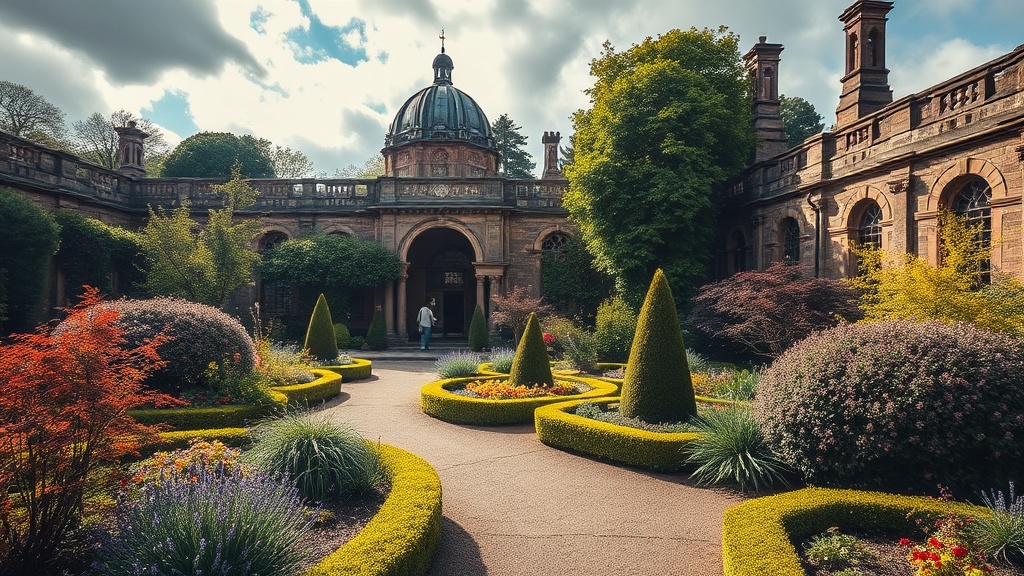
Exploring the Hidden Gardens of Saint Andrews

Most people think the best views in Saint Andrews are found strictly on the waterfront or from the deck of a whale-watching boat. They're wrong. The real magic happens behind the iron gates and stone walls of the residential streets and historic estates tucked away from the main wharf. This post explores the private and semi-private gardens that define our town's character, providing a guide to the specific flora, hidden entry points, and the best times to visit these tucked-away botanical gems.
Saint Andrews isn't just a place to watch the tides roll in. It's a place where the soil—though often rocky and salty—has been nurtured by generations of dedicated gardeners. You won't find a massive botanical garden like the ones in Montreal or Vancouver here. Instead, you find something much more intimate: small, high-effort spaces that feel like a secret.
Where Can You Find the Best Private Gardens in Saint Andrews?
The best private gardens are located primarily in the historic district near the Saint Andrews waterfront and along the residential streets leading toward the high ground. While many of these properties are private, several offer glimpses of incredible horticulture through perimeter fences or during community events. You should look for the older Victorian-style homes where the landscaping often features established perennials and meticulously kept shrubbery.
If you're walking through the town, keep an eye on the properties near the corner of Water and De Vine. These aren't just patches of grass; they are intentional botanical displays. The salt spray from the Bay of Fundata makes gardening a challenge, but the residents here have mastered it. You'll see a lot of hardy perennials and shrubs that can withstand the Atlantic wind.
One of my favorite spots is the area around the historic cottage clusters. These aren't "public parks" in the traditional sense, but the visual impact is immense. The way the hydrangeas drape over the stone walls is a signature look for our town. It's a different kind of beauty than the wide-open ocean vistas, but it's just as compelling.
One thing to remember: always respect the property lines. A little bit of wayward wandering can lead to a very awkward conversation with a local. If a gate is closed, assume the garden is off-limits. Most of the beauty here is meant to be enjoyed from the sidewalk.
What Plants Thrive in the Saint Andrews Climate?
Plants in our region must be incredibly hardy to survive the combination of high humidity, salt air, and unpredictable frost. You won't see much tropical greenery here. Instead, the landscape is dominated by species that can handle the Bay of Fundata's temperament. Common sight includes:
- Hydrangeas: These are the kings of the Saint Andrews garden. They thrive in our acidic soil and provide massive bursts of color in mid-summer.
- Rugosa Roses: You'll see these near the coastlines. They are incredibly tough and handle the salt spray better than almost any other flowering shrub.
- Daylilies: A staple in almost every backyard garden in town. They are virtually indestructible once established.
- Ferns: In the shaded, damp areas under the old canopy trees, ferns are a constant presence.
The soil here can be quite stubborn. It's often rocky and can be quite thin in some of the higher-elevation residential areas. This is why you see so much use of raised beds and stone edging. It's not just for looks—it's a functional way to create a growing environment in a tough location.
When you're walking around, notice how the plant choices change as you move away from the water. Near the wharf, everything is wind-hardy and low to the ground. As you move up the hill toward the more modern residential areas, the gardens become a bit more lush and diverse. It's a subtle shift, but it's there if you look.
Pro Tip: If you're planning a walk to see these gardens, I suggest wearing comfortable shoes with good grip. The sidewalks in the older parts of town can be uneven, especially after a heavy rain or a frost-thaw cycle.
How Much Does it Cost to Visit Botanical Sites?
Visiting the gardens in Saint Andrews is generally free, as most of the beautiful displays are part of private residential properties or public-facing historic sites. There is no "entrance fee" for the town's aesthetic beauty, though some formal-style gardens may be part of paid tours or specific historic house museums.
If you want to see a more structured garden, you might consider visiting the New Brunswick tourism sites that feature historic estates. While most of your "touring" will be done from the sidewalk, a small donation or a ticket price is often requested if you're visiting a specific historic home that allows entry into their grounds. For the standard street-side viewing, your only cost is the time you spend walking.
| Garden Type | Access Level | Best Time to View |
|---|---|---|
| Residential Sidewalks | Public/Free | July - August |
| Historic Estate Gardens | Private/Paid Tours | June - September |
| Waterfront Green Spaces | Public/Free | Late Spring/Summer |
Most of the color peaks in mid-to-late summer. If you visit in early May, you'll see plenty of green, but the "wow" factor of the blooms won't be there yet. The hydrangeas, in particular, are the real showstoppers in July. If you're a photographer, this is your window.
The weather can change in a heartbeat here. One minute it's sunny, and the next, a thick fog rolls in from the bay. This fog is actually great for the gardens—it provides much-needed moisture—but it can certainly dampen your sightseeing plans. I've seen people walk through the town with a light windbreaker and end up soaked because they didn't account for the sea mist.
If you're interested in the technical side of local gardening, you might find it interesting to look at the CBC archives or local historical society records. They often have stories about the original settlers and how they established these very first gardens in such a harsh environment. It's a testament to the persistence of the people who live here.
One thing to keep in mind: the light in Saint Andrews is unique. The way the sun hits the coastal gardens during the "golden hour" is spectacular. If you're looking to capture a photo, try to be out in the late afternoon. The shadows from the old trees and the light reflecting off the water create a mood you won't find anywhere else.
It's also worth noting that the gardens are a major part of why people fall in love with this town. It's not just the ocean; it's the way the town feels lived-in and cared for. The effort people put into their small patches of land is a huge part of the local identity. It shows a level of pride that is very much a part of Atlantic Canadian culture.
When you're exploring, don't just look at the big flowers. Look at the textures of the stone walls, the way the moss grows on the shaded sides of the houses, and the way the paths wind through the greenery. There's a lot of detail to take in if you slow down. Most people are in too much of a hurry to see it all.
As you move between the higher ground and the waterfront, you'll notice the transition in landscape. It's a gradual shift from the salty, rugged-looking coast to the more manicured, lush gardens of the residential streets. It's a beautiful, subtle gradient that makes every walk through town feel slightly different every time.
If you're planning a trip and need to coordinate your arrival with the tides—which is always a good idea if you're near the water—check out my previous post on finding the best tide-dependent parking. It'll help you stay focused on the scenery rather than the logistics of parking.